


You might already know how you want your wedding to look. The garden, the dress, the room after dark. Give just as much thought to how you want to spend it.
Who do you want beside you while you get ready? Would you love to join cocktail hour? Is there someone you rarely get to see who’ll be making the trip? Those answers deserve a place in the plan, too.
We’re Tom and Heather. Tom photographs weddings, and Heather creates the films when couples choose both. The way we prepare is shaped by a simple belief: you should get to enjoy the day you’re asking us to preserve. Thoughtful portraits, a good party, and time with the people you love can all belong in the same wedding.
This wedding planning checklist brings the practical decisions into that picture. Use it with your planner, make it your own, and let your team’s actual deadlines guide the details.
Before the dates and deadlines
Start with a conversation about what would make the day feel like yours. Choose a few priorities together. Maybe it’s a ceremony with real weight, a long dinner outdoors, or a dance floor you barely leave. When decisions multiply, you’ll have something more useful than another saved image to return to.
Think about the people, too. A smaller wedding isn’t automatically more personal, and a large celebration doesn’t have to feel hurried. What matters is whether the plan gives you a chance to be with the people you’ve invited.
A useful question to keep asking: Will this help us enjoy being there?
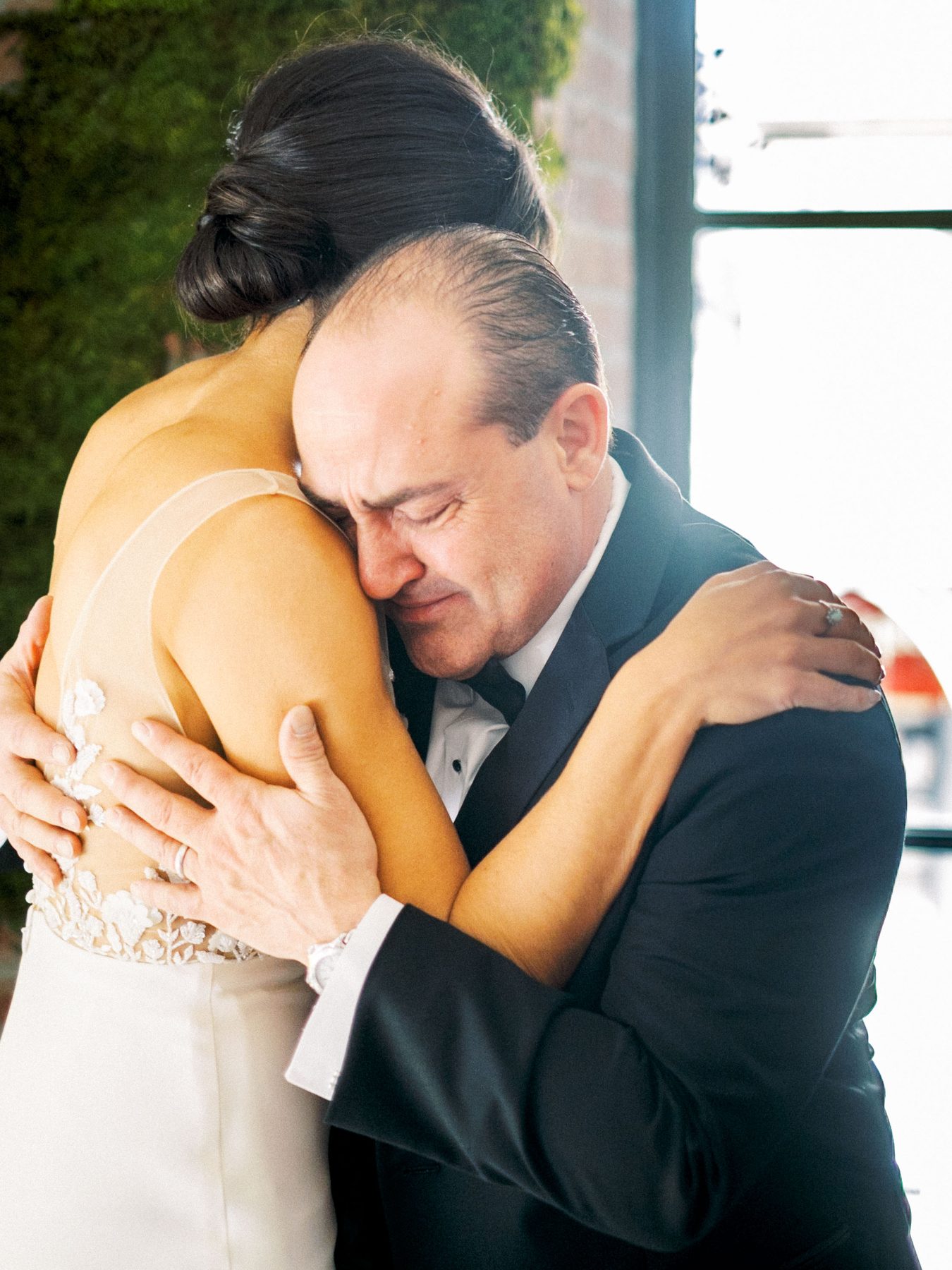

Your wedding planning timeline
The stages below are a starting point, not a set of rules. For a destination wedding, a date in high demand, or custom work, some decisions may need to happen earlier. With a shorter engagement, begin with your venue and essential team, then work through the remaining stages together.
12 months or more: Set the foundations
Choose your setting and the shape of the celebration
Talk through an approximate guest count, the places you’re considering, and the time of year. Decide what you’re comfortable investing and which parts of the experience matter most to you. A planner can help translate those priorities into a realistic plan before you commit to a venue.
When you visit a space, imagine moving through it as a guest. Where will people gather? How far is the walk to dinner? What happens if it rains? Are there comfortable options for anyone who needs easier access, shade, or a quieter place to sit?
The setting will be part of your photographs, but it will also shape your whole day. A place that lets everyone settle in can be just as compelling as a dramatic view.
Build a team you can trust
If you’d like planning support, bring your planner in early. Ask what they oversee, when their work begins, and how they coordinate the day. Venue staff, a planner, and a photographer have different responsibilities; understanding those roles keeps the practical work from falling to you or your family.
Once your date and venue are secure, speak with the creative partners whose work you feel most connected to. A conversation often tells you more about the fit than another hour comparing websites.
At this stage:
- Agree on your priorities, approximate guest count, and overall investment.
- Explore dates and venues, including their indoor or weather alternatives.
- Choose the level of planning support that suits the celebration.
- Reserve your venue and begin booking your photographer, filmmaker, and other essential partners.
- Keep agreements, payment dates, and decisions in one shared place.
- Give guests early notice of significant travel and accommodation needs.
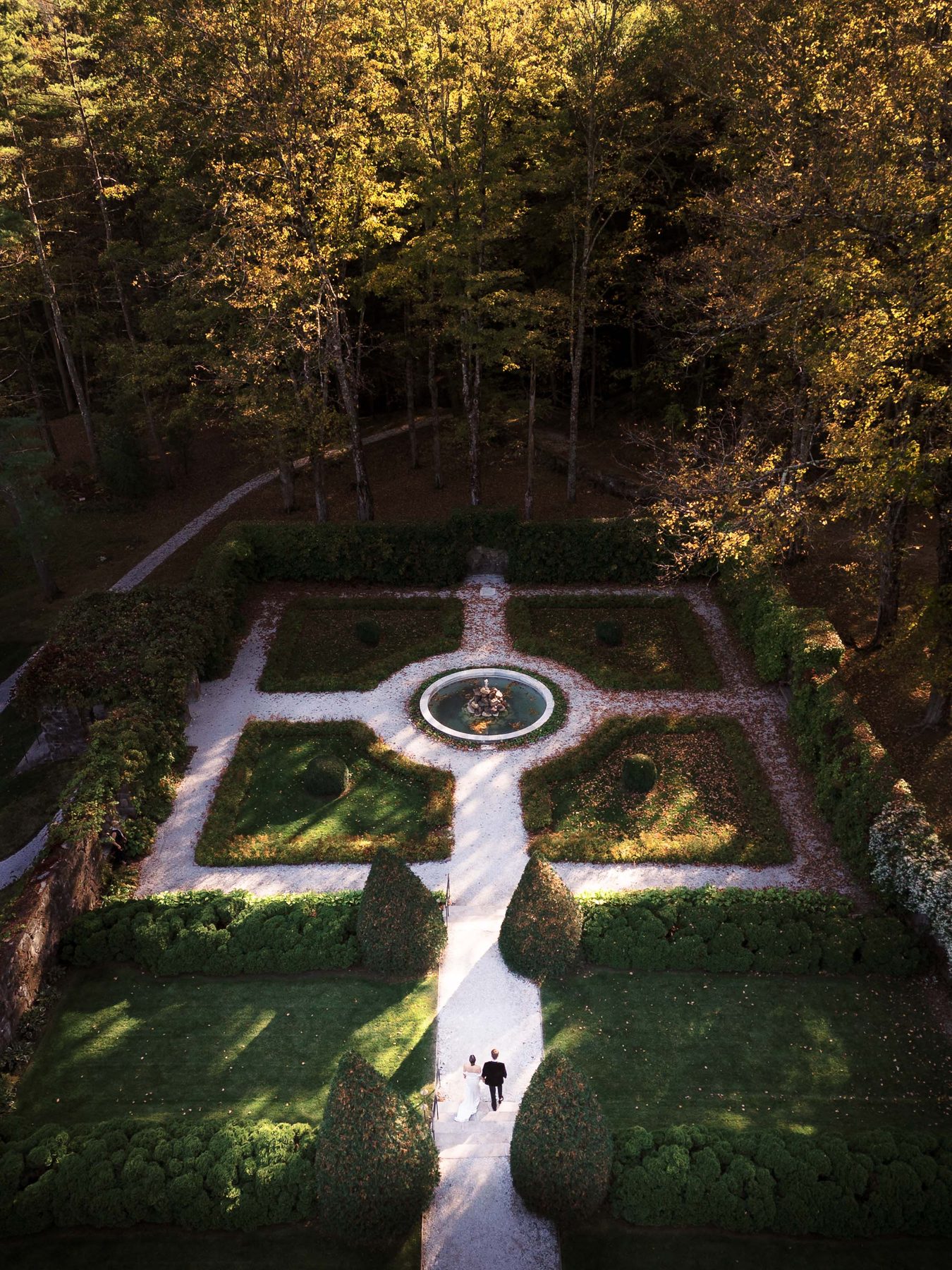

9–6 months: Choose how you want the day remembered
Look beyond the individual photograph
When choosing a photographer, ask to see complete wedding galleries. Notice the family photographs, the ceremony, the changing light, and what happens once everyone stops paying attention to the camera. You should love the portraits and recognize something of your own people in the way a celebration is seen.
Then talk about the experience. How will they help if you feel awkward? How do they plan portraits around the ceremony and the party? What would they want to know about your family before arriving?
With us, that preparation starts with listening. Tom helps shape the photography timing around your plans and works with your planner so the day has room to move. During portraits, a little guidance gives you somewhere to begin. During the celebration, we’re watching for the exchanges you’d never put on a shot list.
If this is the balance you’re looking for, tell us about your date, venue, and the people who’ll be there. You don’t need every detail decided before we talk.
Consider what a film would hold for you
Think about the sound of the day: your vows, a familiar laugh, the way someone tells a story during a toast. If those are things you’d like to return to, include film in the conversation now. When Heather films alongside Tom, we prepare together and work with the same rhythm, so you have one coordinated photography and film experience.
An engagement session can also be a lovely way to become familiar with being photographed. Choose somewhere you actually enjoy being. A walk through your neighborhood or an evening by the water gives you something to do together while Tom offers direction along the way.
At this stage:
- Confirm photography and film if those decisions are still open.
- Choose your caterer, music, florist, and hair and makeup team as needed.
- Begin attire appointments and ask each designer or retailer about their own ordering and fitting schedule.
- Share accommodation information and save-the-dates as appropriate for your guests’ travel.
- Talk with your officiant about the ceremony you want to have.
- Decide whether an engagement session or coverage of the welcome celebration belongs in your plans.

6–4 months: Design the experience around your people
Let the details support the gathering
Beautiful design helps people feel where they are. The flowers at dinner, the paper in their hands, and the light in the room all contribute. Choose the details you care about, then give your creative team space to bring them together.
You don’t need to add a tradition or a purchase simply because it appears on a checklist. A favor, an elaborate entrance, or a particular kind of dessert is worth including when it adds something you want to the celebration.
Give the same attention to the less visible details. Clear travel information, thoughtful seating, and a comfortable way home are part of looking after your guests.
Make space beyond the wedding itself
If people are traveling, a welcome evening or relaxed gathering the next day can give you more time together. Keep the schedule comfortable enough for guests to rest and make their own plans, too.
At this stage:
- Develop the design, florals, rentals, and lighting with your team.
- Arrange invitations and set the RSVP date around your caterer and venue’s deadlines.
- Confirm accommodation options, transport needs, and guest accessibility.
- Plan any welcome dinner, rehearsal gathering, or farewell brunch.
- Order wedding bands and continue attire fittings on your suppliers’ schedules.
- Begin honeymoon arrangements if you’re traveling soon after the wedding.
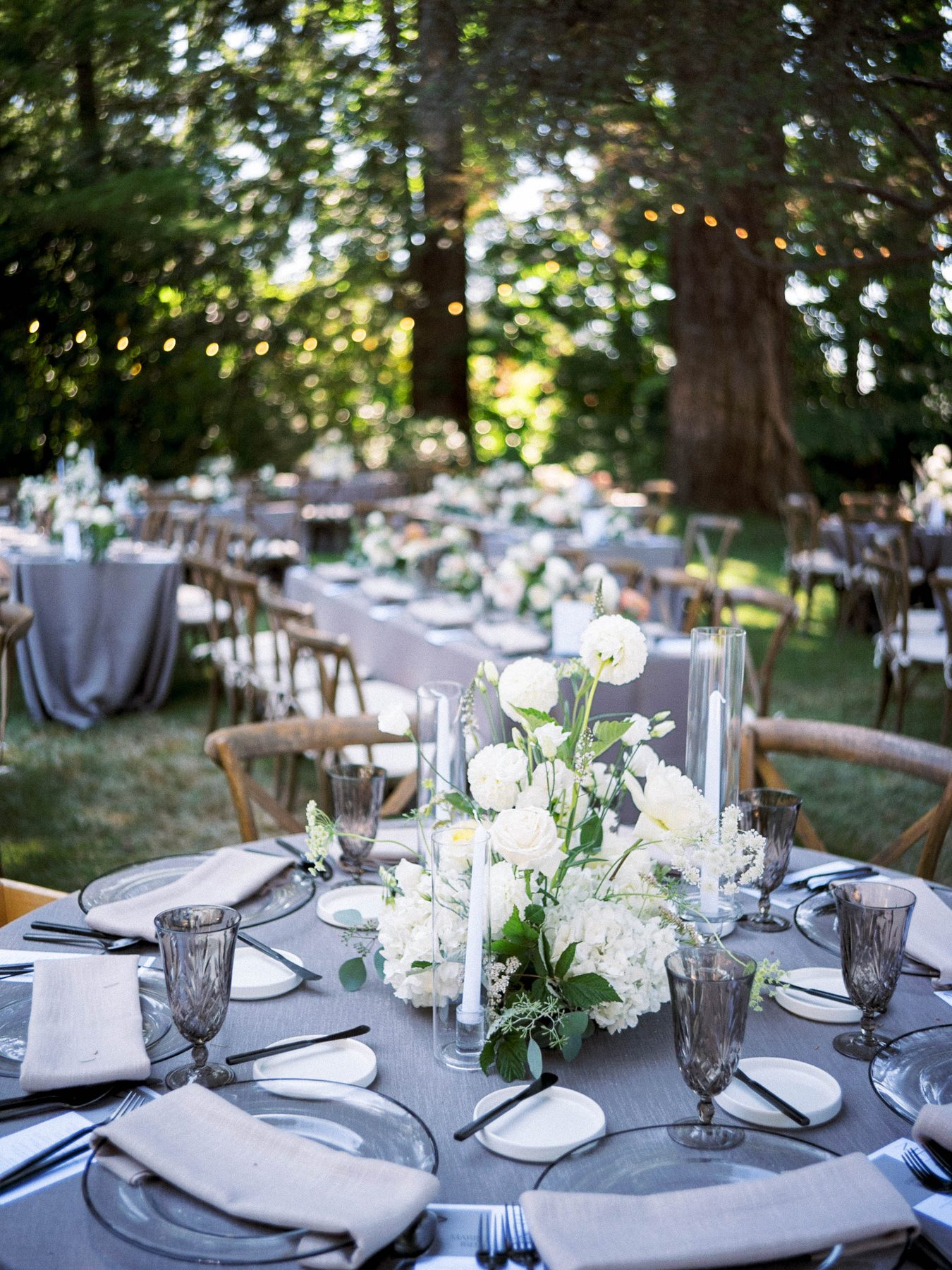
4–2 months: Give the timeline room to breathe
Plan for the time between the events
A timeline can look generous until it includes getting everyone downstairs, fastening a dress, finding a missing bouquet, and waiting for the car. Leave space for these ordinary transitions. That breathing room is often what lets you stop for a hug without immediately feeling behind.
Work with your planner and photographer on a shared outline. Start with the ceremony and meal service, then consider preparation, travel, family photographs, portraits, and the parts of the party you’d like to enjoy. Your photographer can advise on light and locations before those decisions become fixed.
Decide whether a first look suits you
Seeing each other before the ceremony can create a private pause and allow some portraits to happen earlier. If you’d rather first see each other at the ceremony, build time afterward for the photographs you want. Either can work beautifully. The right choice depends on what the experience means to you and how the rest of the day fits around it.
If joining cocktail hour matters, say so early. We can look at the options together instead of discovering on the day that every photograph has been placed in that hour.
At this stage:
- Draft the day’s outline with your planner and photography team.
- Discuss your first look, family portraits, travel, and time with guests.
- Choose getting-ready spaces that comfortably fit the people joining you.
- Coordinate hair, makeup, and dressing times with the photography plan.
- Arrange any access or permissions your team identifies for portrait locations.
- Send invitations according to the schedule you’ve agreed with your stationer and planner.

8–6 weeks: Share what only you can tell us
Introduce us to your people before we meet them
Names help. Context helps more. Tell us about the person who raised you, the friends who are traveling far, or the relative you especially want time with. Let us know about family dynamics or sensitive circumstances that will help us approach everyone with care.
For the formal family photographs, a clear list of combinations makes a real difference. Write down names rather than just roles, and let the people involved know where and when they’ll be needed. Include the groupings you’ll value having in years to come; your photographer can help you make the list workable.
That list takes care of the photographs we need to organize. Knowing the people helps us notice the rest.
At this stage:
- Share your family portrait list and any important personal context.
- Confirm ceremony readings, traditions, music, and the people giving toasts.
- Gather RSVPs, dietary requirements, and accessibility requests.
- Begin the seating plan and guest information updates.
- Check the requirements and timing for your marriage paperwork with the authority where you’ll marry.
- Review upcoming balances and final-detail deadlines with your planner.
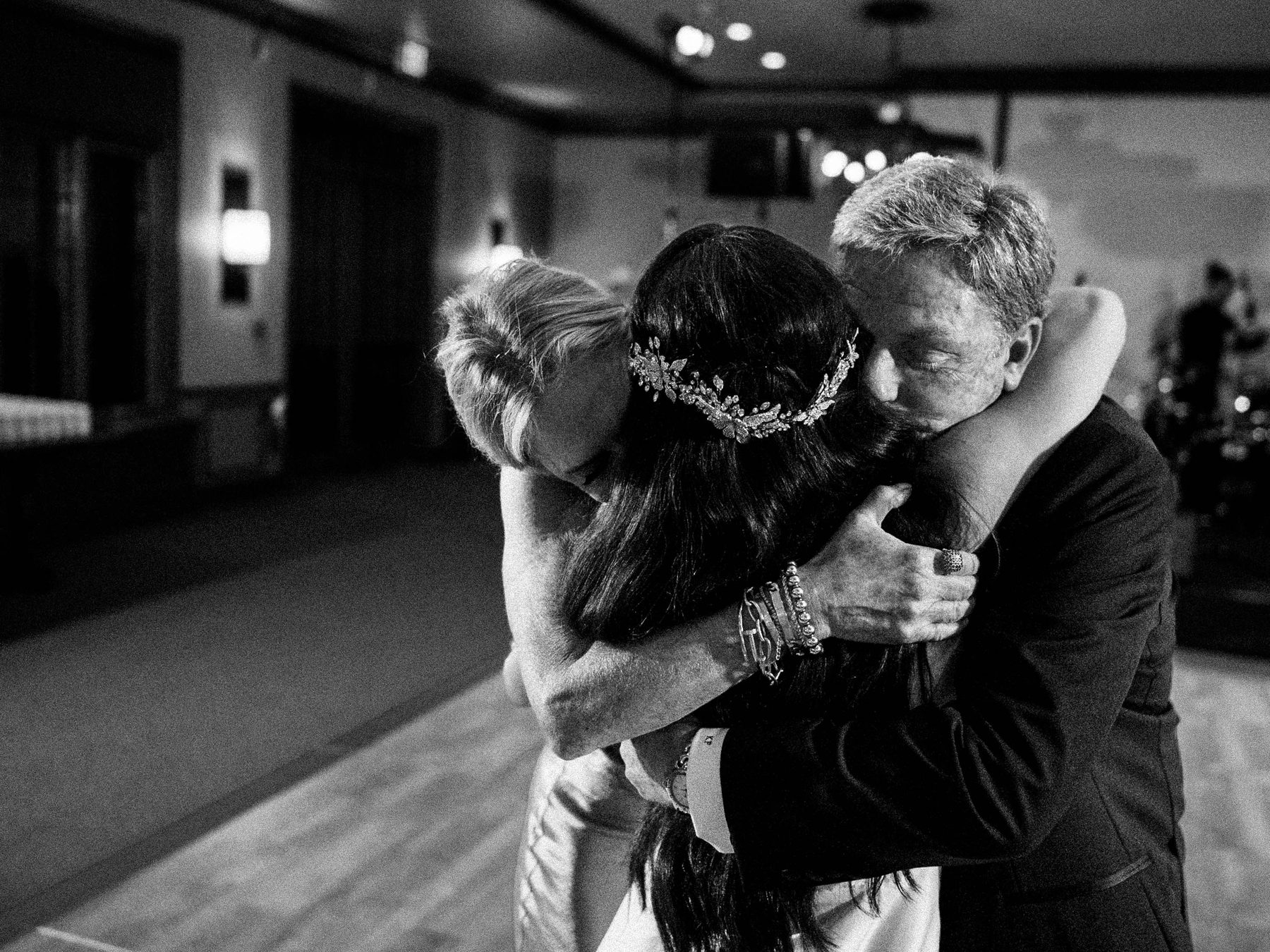
6–2 weeks: Bring everyone onto the same page
Turn the separate plans into one day
Your planner should have the latest information from every team: arrivals, setup, transport, the ceremony, dinner, and the weather plan. Confirm who makes decisions if conditions change and who your guests or suppliers should contact.
This is also when Tom gathers the final photography details and talks through the day with you. We look at the timing, the people, and anything that’s changed, so you can arrive knowing we’ve already thought it through together.
If you have meaningful objects you’d like photographed, tell us about them. A handwritten note or a piece of jewelry with family history gives a detail its significance. There is no need to assemble a separate collection of things just for the camera.
At this stage:
- Review the final timeline and family photographs with your photography team.
- Confirm arrival times, locations, transport, and weather arrangements with your planner.
- Follow up on remaining RSVPs and finalize seating and meal information by the required dates.
- Complete fittings, check accessories, and collect your rings.
- Finish vows and make sure readers and speakers know their part.
- Assign a trusted point of contact for practical questions on the day.
The final week: Put the plan in good hands
The most useful thing you can do now is make sure someone else has the information. Your family and friends should be able to celebrate alongside you, and you should be able to put your phone down.
Pack what you’ll need, confirm the handoffs, and leave some ordinary life in the week. A meal together without wedding decisions can be a very good use of an evening.
Before the weekend:
- Share the final schedule and contact details with the people who need them.
- Confirm final guest counts, balances, and delivery arrangements on your team’s deadlines.
- Pack attire, rings, vows, required paperwork, and any personal items you want with you.
- Arrange meals and water for the getting-ready spaces.
- Confirm who will collect belongings, gifts, and personal décor afterward.
- Let your planner manage the remaining logistics and weather decisions with the team.
The evening before: Let yourself arrive
A rehearsal gives everyone a chance to understand the ceremony without learning it in front of your guests. Once the practical questions are answered, turn your attention to the people who have come to be with you.
There is something lovely about that first evening when friends from different parts of your life begin meeting each other. If we’ve planned coverage of it, we’ll be there to notice those introductions and the anticipation before the wedding.
Confirm where you’ll be in the morning, put anything essential in the right hands, and give yourself permission to stop planning for the night.
Your wedding day: Be in it
Have breakfast. Spend the morning with people who help you feel like yourself. When we arrive, the photography plan is already familiar, and you can settle into the day.
We’ll offer direction when it helps, make time for the portraits you’ve been looking forward to, and stay attentive when life moves around us. You don’t need to know what to do with your hands or remember every photograph you wanted.
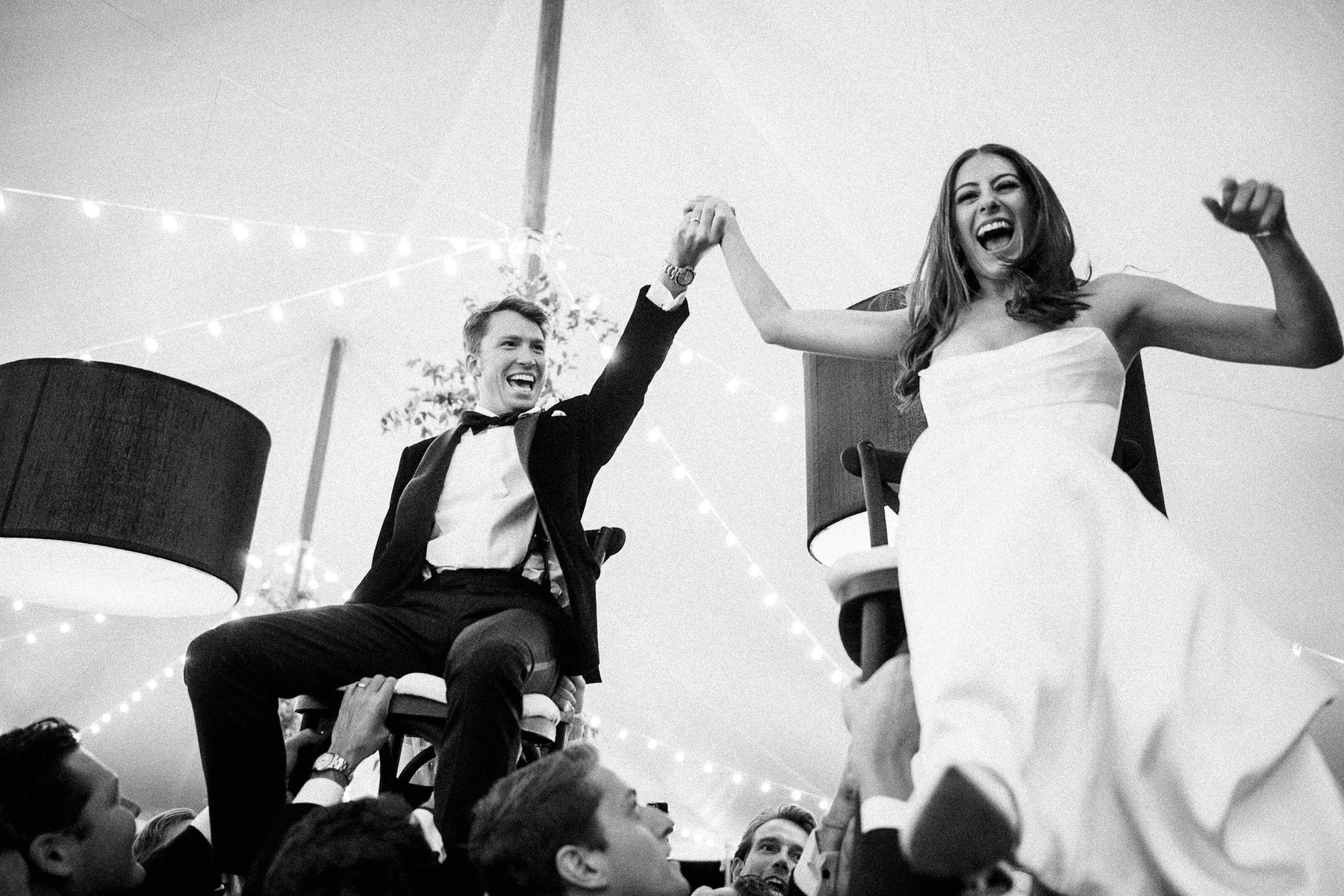
During dinner, look around the room. Stay for the next song. Take the extra moment with someone you love. These are the things that give the photographs their meaning.
A few questions worth asking
How much time should we leave for wedding portraits?
It depends on your locations, travel, group sizes, and the photographs that matter to you. One nearby setting and a small family list need a different plan from several locations and a large extended family. Talk it through before finalizing the schedule. We help our couples make room for portraits without letting them take over the celebration.
What if we don’t feel natural in front of a camera?
You don’t need to arrive knowing how to be photographed. Clear, gentle direction gives you something to do and takes away the guesswork. As you become comfortable, there’s more room for the way you actually are together to come through.
Can we plan a wedding on a shorter timeline?
Yes. Begin with the decisions everything else depends on: your date, venue, guest count, and the people you want on your team. Work through the stages in parallel where needed, use your suppliers’ actual deadlines, and let your priorities guide what you keep simple.
Do we need every detail planned before contacting you?
No. Your date or possible dates, the setting you’re considering, and a little about what matters to you are a useful place to start. We’ll talk through the photography, whether you’d like film, and how we could fit into the celebration you’re planning.

Beautiful photographs. Time to enjoy the day.
If you’ve been picturing a wedding full of life, with thoughtful portraits and plenty of time with your people, we’d love to hear about it.
Tell us where you’re getting married, when you’re considering, and what you’re most looking forward to. We’ll start with a conversation about your plans and whether we’re the right team to preserve them.


